


Well B Audits: How to Identify Gaps in Your Employee Support System sets the stage for this enthralling narrative, offering readers a glimpse into a story that is rich in detail and brimming with originality from the outset.
In this article, we will delve into the crucial aspects of identifying gaps in your employee support system and how conducting Well B Audits can lead to significant improvements in workplace dynamics.
Identifying Employee Support System Gaps
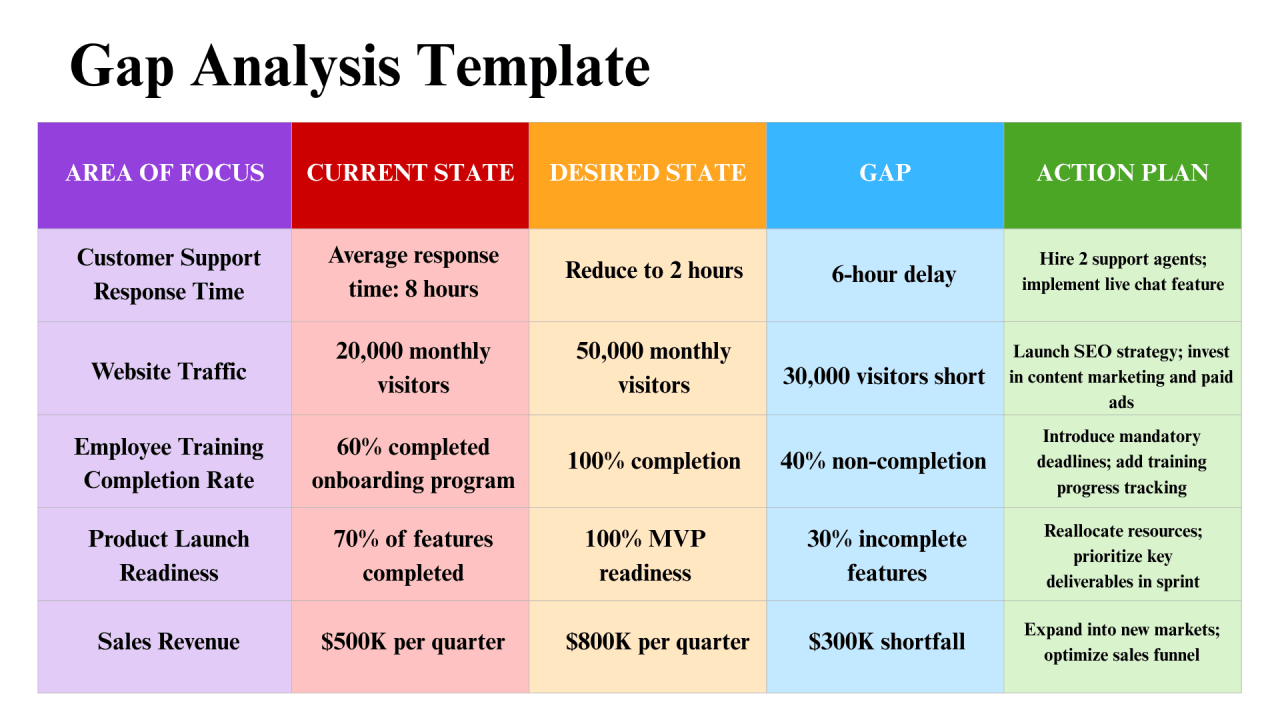
Employee support systems are crucial for the overall well-being and performance of employees within an organization. However, gaps in these systems can have detrimental effects on employees. Let's explore common gaps, their impact, and indicators that suggest these gaps exist.
Common Gaps in Employee Support Systems
Employee support system gaps can manifest in various ways, including:
- Lack of clear communication channels between employees and management
- Inadequate resources for professional development and training
- Unclear or inconsistent policies and procedures
- Failure to address mental health and well-being concerns
Impact on Employee Performance and Well-being
These gaps can significantly impact employee performance and well-being:
- Decreased morale and motivation
- Increased stress and burnout
- Higher turnover rates
- Lower productivity and job satisfaction
Indicators of Support System Gaps
There are several indicators that may suggest gaps in the employee support system:
- Frequent employee complaints or grievances
- High absenteeism and turnover rates
- Lack of employee engagement or participation in company activities
- Decreased performance or quality of work
Conducting Well B Audits
Well B Audits are essential processes designed to evaluate and identify gaps in an organization's employee support systems. By conducting these audits, companies can ensure that their employees are receiving the necessary support to thrive in their roles.
Steps in Conducting a Well B Audit
- Define the Scope: Begin by outlining the specific areas of the employee support system that will be assessed during the audit.
- Collect Data: Gather relevant information such as employee feedback, performance metrics, and support program effectiveness.
- Analyze Findings: Review the collected data to pinpoint any weaknesses or gaps in the current support system.
- Develop Action Plan: Based on the audit results, create a detailed plan to address and rectify the identified gaps.
- Implement Changes: Put the action plan into motion by implementing new support initiatives or improving existing programs.
Importance of Regular Audits
Regular Well B Audits are crucial for maintaining a healthy employee support system within an organization. By conducting audits periodically, companies can ensure that their support systems remain effective and relevant in meeting the evolving needs of their employees. These audits also provide opportunities for continuous improvement and innovation in support strategies, ultimately leading to a more engaged and productive workforce.
Key Metrics and Data Collection
When evaluating the effectiveness of an employee support system, it is crucial to identify key metrics that can provide valuable insights into its performance. Data collection plays a vital role in this process as it helps in identifying gaps and areas for improvement. By collecting relevant data efficiently, organizations can make informed decisions to enhance their employee support systems.Identifying Key Metrics
- Evaluation of employee turnover rates
- Assessment of employee satisfaction surveys
- Monitoring of absenteeism and tardiness rates
- Analysis of performance metrics and productivity levels
Role of Data Collection
Data collection is essential for understanding the current state of the employee support system and pinpointing areas that need attention. By gathering data on key metrics, organizations can track trends, identify patterns, and make data-driven decisions to improve employee support.Tools and Methods for Data Collection
- Utilizing employee surveys and feedback mechanisms
- Implementing performance management systems
- Tracking employee attendance and time-off requests through HR software
- Analyzing data from employee assistance programs (EAPs)
Addressing Identified Gaps
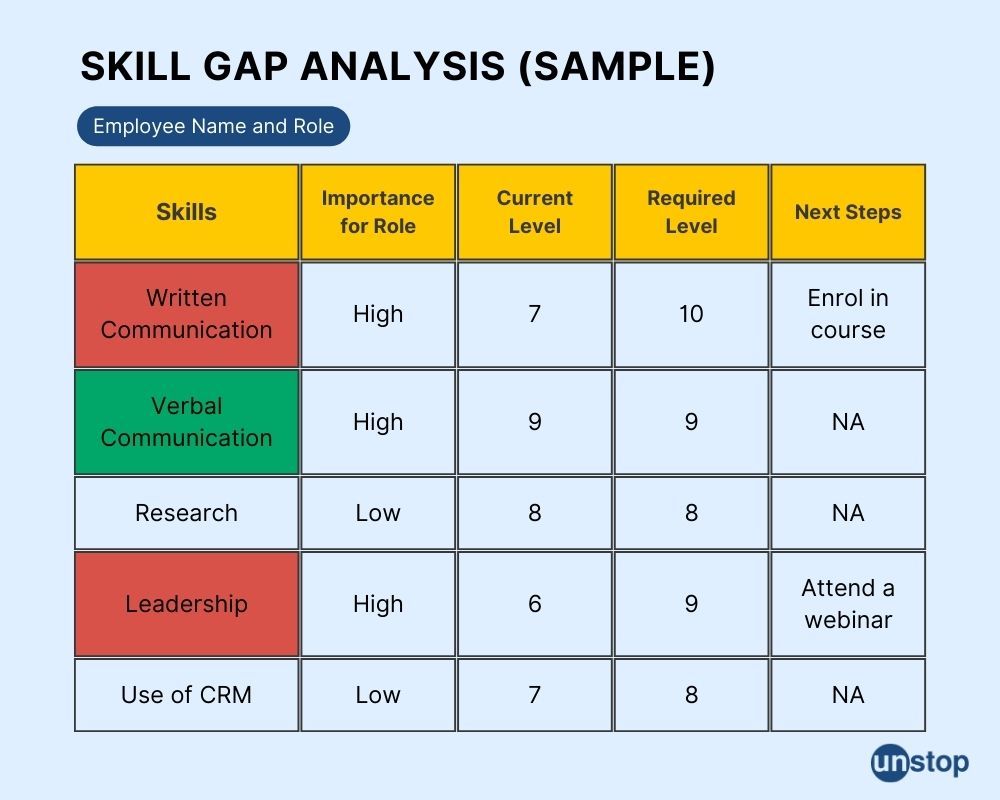
Once gaps in the employee support system have been identified through Well B Audits, it is crucial to develop strategies to address and bridge these gaps effectively.
Involving Employees in the Improvement Process
Engaging employees in the improvement process is essential for the success of closing support system gaps. By involving employees, organizations can gain valuable insights, feedback, and suggestions for improvement.
- Encourage open communication channels for employees to voice their concerns and ideas.
- Implement feedback mechanisms to gather input from employees regarding the support system.
- Provide training and development opportunities to empower employees to contribute to the improvement process.
Success Stories of Closing Support System Gaps
Several organizations have successfully closed support system gaps by implementing effective strategies and involving employees in the improvement process. Here are some examples:
| Organization | Strategy | Outcome |
|---|---|---|
| Company X | Conducted regular feedback sessions with employees and implemented tailored support programs. | Increased employee satisfaction and productivity, leading to reduced turnover rates. |
| Organization Y | Established a cross-functional team to address support system gaps and implemented a mentorship program. | Enhanced collaboration among employees and improved overall performance metrics. |
Final Wrap-Up
As we conclude our exploration of Well B Audits and the importance of recognizing gaps in your employee support system, it becomes evident that proactive measures can enhance overall employee well-being and performance, fostering a more positive work environment.
Questions Often Asked
What are some common gaps in an employee support system?
Common gaps include lack of communication, inadequate training opportunities, and insufficient feedback mechanisms.
How can data collection help in identifying gaps in an employee support system?
Data collection allows organizations to track trends, monitor employee feedback, and pinpoint areas where support may be lacking.
Why is it important to involve employees in the process of addressing identified gaps?
Employee involvement ensures that solutions are relevant to their needs, leading to higher engagement and satisfaction levels.