


Delving into Anderson Longevity Insights: How to Balance Cortisol for Long-Term Mental Clarity, this introduction immerses readers in a unique and compelling narrative, with a casual formal language style that is both engaging and thought-provoking from the very first sentence.
The content of the second paragraph that provides descriptive and clear information about the topic
Understanding Cortisol and Its Impact on Mental Clarity
Cortisol is a hormone produced by the adrenal glands in response to stress. It plays a crucial role in the body's fight-or-flight response and helps regulate metabolism, immune response, and blood pressure.The Role of Cortisol in the Body
Cortisol is essential for the body's response to stress, helping to increase blood sugar levels, suppress the immune system, and aid in metabolism regulation. However, chronic stress can lead to an imbalance in cortisol levels, which can have negative effects on mental clarity.- Chronic stress: Prolonged periods of stress can lead to consistently high levels of cortisol, which can impair cognitive function and memory.
- Irregular sleep patterns: Lack of adequate sleep can disrupt cortisol levels, affecting concentration and decision-making abilities.
- Poor diet: Consuming excessive amounts of sugar and processed foods can contribute to cortisol imbalances, leading to brain fog and reduced mental clarity.
Strategies to Balance Cortisol Levels for Improved Mental Clarity
Maintaining balanced cortisol levels is crucial for long-term mental clarity. Here are some strategies to help regulate cortisol production and enhance cognitive function.Lifestyle Changes to Regulate Cortisol Production
- Aim for a balanced diet rich in whole foods, lean proteins, and healthy fats to support adrenal health and cortisol regulation.
- Prioritize regular exercise, which can help reduce stress and balance cortisol levels in the body.
- Ensure you get an adequate amount of quality sleep each night to promote cortisol balance and improve mental clarity.
Importance of Stress Management in Balancing Cortisol
- Practice relaxation techniques such as deep breathing, meditation, or yoga to reduce stress levels and prevent excessive cortisol production.
- Engage in activities you enjoy, spend time in nature, and cultivate a strong social support system to help manage stress effectively.
- Set boundaries, prioritize self-care, and learn to say no to tasks that may overwhelm you, contributing to elevated cortisol levels.
Tips for Creating a Daily Routine that Supports Cortisol Balance
- Establish a consistent daily schedule with regular mealtimes, exercise routines, and bedtime to regulate cortisol secretion and promote mental clarity.
- Incorporate mindfulness practices throughout your day to stay present, reduce stress, and maintain cortisol balance.
- Avoid excessive caffeine intake, limit screen time before bed, and create a calming bedtime routine to improve sleep quality and cortisol regulation.
Diet and Nutrition Tips for Cortisol Regulation
When it comes to cortisol regulation and maintaining mental clarity, diet and nutrition play a crucial role. The foods we consume can impact our cortisol levels, which in turn affect our overall well-being.
Impact of Diet on Cortisol Levels and Mental Clarity
Our diet can either help regulate cortisol levels or contribute to spikes that may disrupt mental clarity. Consuming a balanced diet rich in nutrients can aid in keeping cortisol levels in check, promoting better mental focus and clarity.
Specific Foods to Lower Cortisol Levels
- Dark chocolate: Contains antioxidants that can help reduce cortisol levels.
- Green tea: Rich in L-theanine, which can have a calming effect on the body.
- Avocados: Packed with healthy fats that support stress hormone regulation.
- Fatty fish: Omega-3 fatty acids in fish like salmon can help reduce cortisol levels.
Meal Planning Ideas to Support Cortisol Balance
Planning meals that include the right balance of nutrients can aid in cortisol regulation. Here are some ideas:
| Breakfast | Lunch | Dinner |
|---|---|---|
| Oatmeal with berries and walnuts | Grilled chicken salad with avocado | Baked salmon with quinoa and steamed vegetables |
| Green tea | Vegetable soup | Dark chocolate for dessert |
The Role of Exercise in Managing Cortisol for Long-Term Mental Clarity
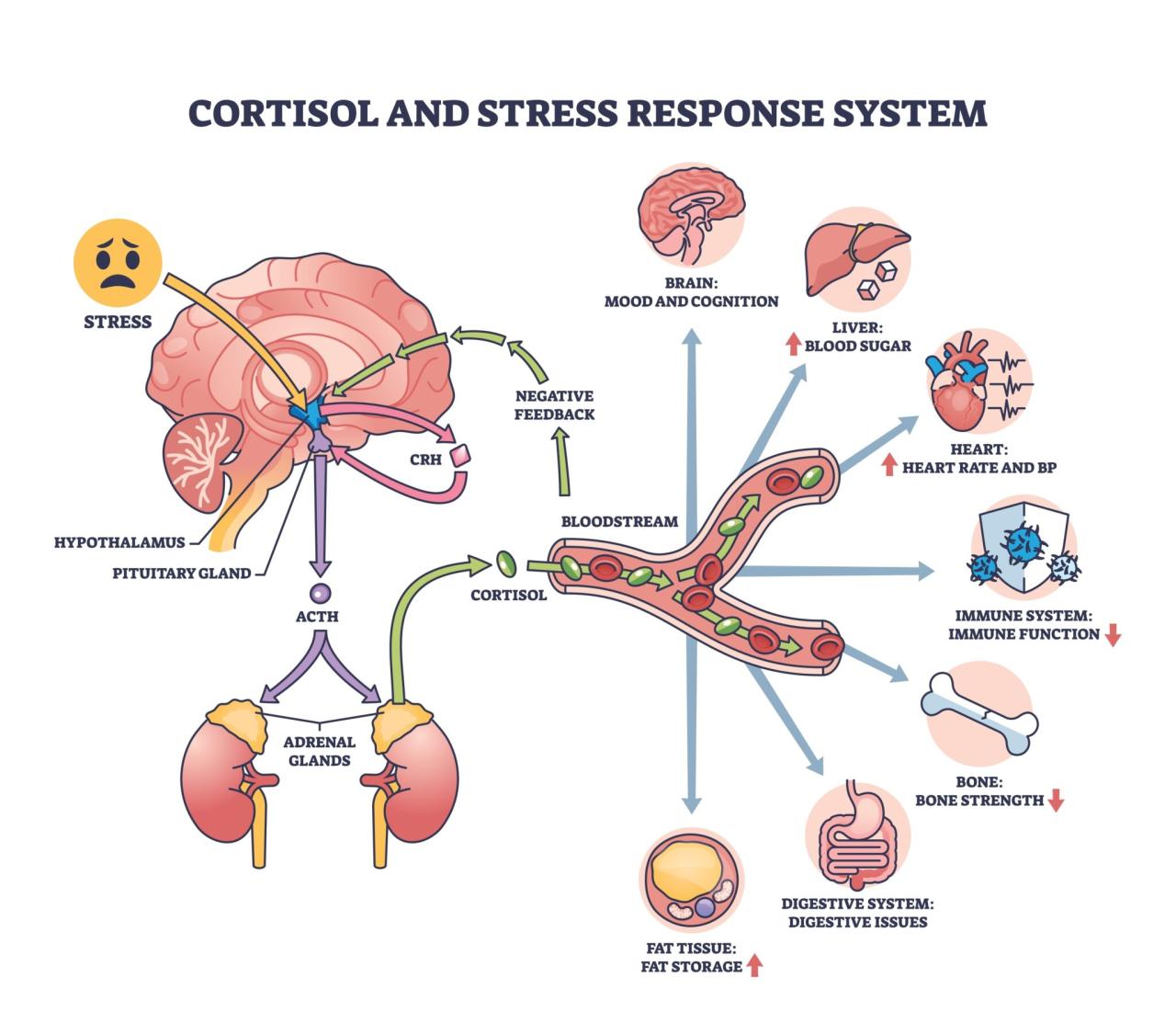 Regular exercise plays a crucial role in managing cortisol levels for long-term mental clarity. Different types of exercise can have varying effects on cortisol production. Here, we will explore the ideal exercise routine for cortisol regulation and share tips on incorporating mindfulness practices into physical activity to achieve a balance in cortisol levels.
Effects of Different Types of Exercise on Cortisol Production
- Cardiovascular exercises like running or cycling have been shown to temporarily increase cortisol levels during the activity but can lead to a decrease in overall cortisol levels in the long term.
- Strength training exercises, on the other hand, can also cause a temporary spike in cortisol levels, especially during intense sessions. However, regular strength training has been linked to reduced cortisol levels over time and improved stress response.
- Mind-body exercises such as yoga and tai chi have been found to lower cortisol levels and promote relaxation, making them beneficial for managing stress and cortisol balance.
Ideal Exercise Routine for Cortisol Regulation
- Combine cardiovascular exercises, strength training, and mind-body exercises in your weekly routine to achieve a balanced approach to cortisol regulation.
- Aim for at least 150 minutes of moderate-intensity aerobic exercise per week, along with two to three days of strength training sessions.
- Incorporate yoga or meditation practices into your routine to enhance relaxation and reduce cortisol levels.
Incorporating Mindfulness Practices into Physical Activity for Cortisol Balance
- Practice mindfulness during your workouts by focusing on your breath, body sensations, and movement. This can help reduce stress and lower cortisol levels.
- Try combining mindfulness techniques with exercises like yoga or tai chi to enhance the relaxation response and improve cortisol balance.
- Aim to stay present and mindful during physical activity to maximize the stress-reducing benefits and promote mental clarity.
Ultimate Conclusion
The content of the concluding paragraph that provides a summary and last thoughts in an engaging manner
FAQ
What role does cortisol play in the body?
Cortisol is a hormone that helps regulate various bodily functions, including metabolism, immune response, and stress.
How can lifestyle changes help regulate cortisol production?
Adopting healthy habits such as regular exercise, sufficient sleep, and stress management techniques can positively impact cortisol levels.
Which foods can help lower cortisol levels?
Foods rich in omega-3 fatty acids, dark chocolate, and complex carbohydrates like whole grains can help lower cortisol levels.
What is the ideal exercise routine for cortisol regulation?
A combination of cardiovascular exercise, strength training, and flexibility exercises can help regulate cortisol levels effectively.
How can mindfulness practices be incorporated into physical activity for cortisol balance?
Practicing mindfulness techniques such as deep breathing, yoga, or meditation during exercise can help reduce stress and balance cortisol levels.