


Embark on a journey into the realm of Scalable Mywellbeing Frameworks for Mid-Sized Organizations, where the fusion of well-being and organizational efficiency takes center stage. Dive into a world where tailored frameworks meet the unique needs of mid-sized organizations, promising a landscape of growth and prosperity.
Delve deeper into the components and adaptability of these frameworks, exploring the intricate balance between technology, mental health support, and employee wellness programs.
Overview of Scalable Mywellbeing Frameworks
A Mywellbeing Framework is a structured approach or system designed to support and enhance the overall wellbeing of individuals within an organization. It includes various components such as mental health support, work-life balance initiatives, and resources for physical wellness.
Scalability in organizational frameworks refers to the ability of a framework to grow or adapt to meet the changing needs and size of an organization. In the context of Mywellbeing Frameworks, scalability is crucial to ensure that the framework can accommodate the increasing number of employees and evolving organizational requirements.
Challenges Faced by Mid-Sized Organizations
Mid-sized organizations often face unique challenges when implementing scalable Mywellbeing Frameworks. These challenges may include:
- Limited Resources: Mid-sized organizations may have constraints in terms of budget and manpower, making it difficult to develop and maintain a comprehensive Mywellbeing Framework.
- Lack of Expertise: Building a scalable framework requires expertise in areas such as mental health, wellness programs, and organizational development. Mid-sized organizations may struggle to access or afford specialized professionals.
- Resistance to Change: Implementing a new framework can face resistance from employees and management, especially in organizations where there is a lack of awareness or understanding of the benefits of Mywellbeing initiatives.
- Integration with Existing Systems: Mid-sized organizations may find it challenging to integrate a new Mywellbeing Framework with existing HR systems and processes, leading to inefficiencies and difficulties in tracking progress and outcomes.
Adaptability of Mywellbeing Frameworks for Mid-Sized Organizations
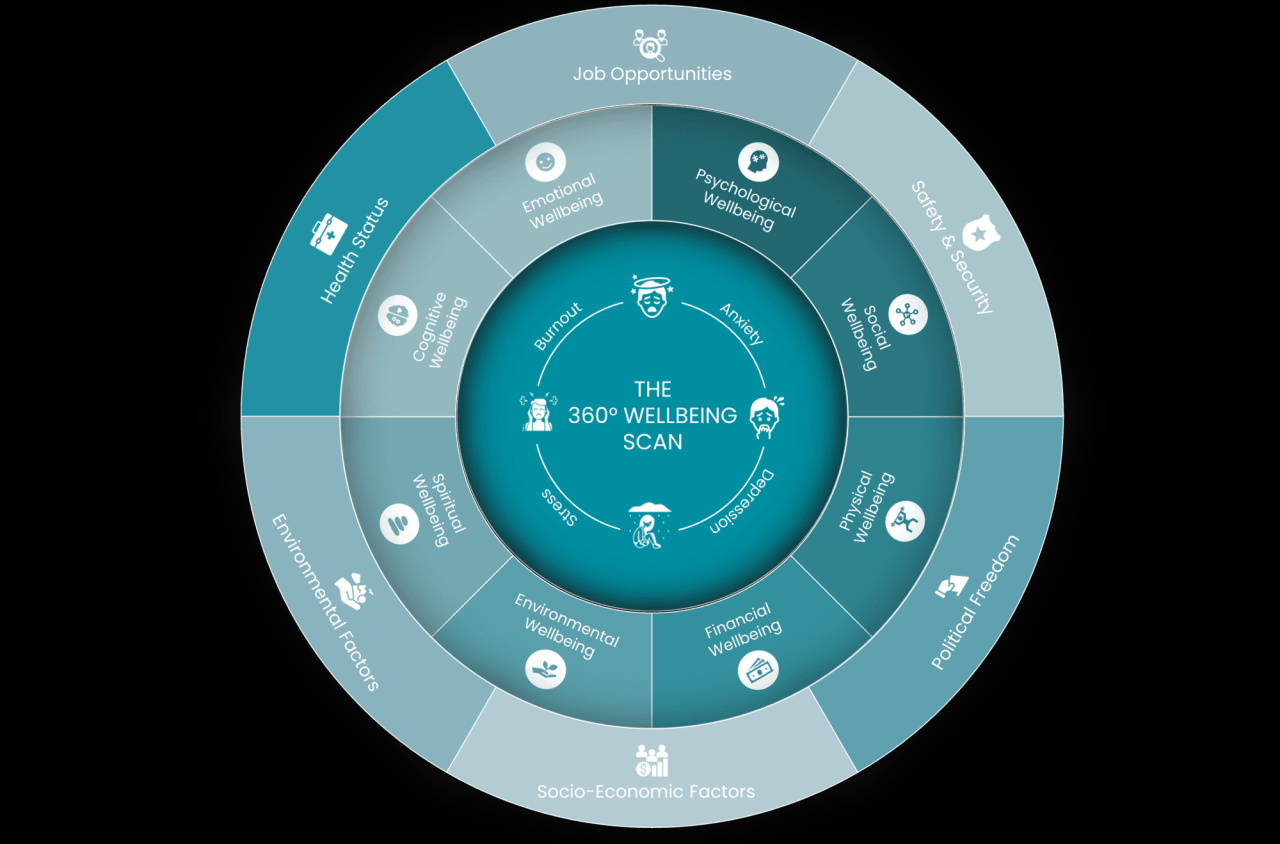
When it comes to implementing Mywellbeing Frameworks in mid-sized organizations, adaptability plays a crucial role in ensuring the success and effectiveness of these frameworks. Tailoring the frameworks to suit the specific needs and dynamics of mid-sized organizations is essential for maximizing their impact.
Customization for Mid-Sized Organizations
- One way to tailor Mywellbeing Frameworks for mid-sized organizations is by customizing the assessment tools and metrics used to measure employee wellbeing. This allows organizations to gather relevant data that reflects the unique challenges and priorities of their workforce.
- Another aspect of customization involves adapting the communication strategies within the framework to align with the organizational culture and values. This ensures that employees are more receptive to the initiatives and are actively engaged in the wellbeing programs.
Successful Implementation Examples
- Company XYZ, a mid-sized tech firm, successfully implemented a customized Mywellbeing Framework that included flexible work arrangements, mental health support services, and regular feedback sessions. This approach led to increased employee satisfaction and a boost in productivity.
- Organization ABC, a mid-sized manufacturing company, adopted a scalable Mywellbeing Framework that focused on physical health initiatives, ergonomic workstations, and stress management programs. As a result, they saw a decrease in absenteeism rates and an improvement in employee morale.
Benefits of Customized Frameworks
- Customized Mywellbeing Frameworks allow mid-sized organizations to address specific pain points and challenges that may not be adequately covered by generic solutions. This targeted approach leads to more meaningful outcomes and a higher ROI.
- By tailoring the frameworks to the unique needs of the organization, employees feel more valued and supported, leading to increased loyalty, retention, and overall wellbeing. This personalization fosters a positive work environment and enhances the employer-employee relationship.
Components of an Effective Mywellbeing Framework
Creating a comprehensive Mywellbeing Framework for mid-sized organizations involves incorporating key elements to promote employee wellness and support.
Role of Technology in Enhancing Scalability
- Utilizing digital platforms for easy access to resources and tools
- Implementing data analytics to track employee engagement and progress
- Integrating communication tools for remote teams to stay connected
Integrating Mental Health Support and Wellness Programs
- Providing access to mental health resources and counseling services
- Offering flexible work arrangements to promote work-life balance
- Implementing wellness programs like fitness challenges and mindfulness sessions
Best Practices for Implementing Scalable Mywellbeing Frameworks
Implementing a scalable Mywellbeing Framework in a mid-sized organization requires careful planning and execution. Here are some best practices to ensure a smooth transition and successful implementation.Designing and Implementing a Scalable Mywellbeing Framework
- Start by conducting a thorough assessment of the organization's current wellbeing initiatives and needs.
- Involve key stakeholders from different departments to gather input and ensure buy-in throughout the process.
- Develop a clear roadmap outlining the steps involved in designing and implementing the framework, including timelines and responsibilities.
- Ensure that the framework is adaptable and customizable to meet the unique needs of the organization.
Tips for Overcoming Resistance to Change
- Communicate openly and transparently about the reasons for implementing the Mywellbeing Framework and the benefits it will bring to employees and the organization as a whole.
- Provide training and support to employees to help them understand the framework and its impact on their wellbeing.
- Address concerns and feedback from employees promptly and make adjustments to the framework as needed based on their input.
Measuring Effectiveness and Continuous Improvement
- Establish key performance indicators (KPIs) to track the impact of the Mywellbeing Framework on employee wellbeing, engagement, and productivity.
- Regularly collect feedback from employees through surveys, focus groups, or one-on-one meetings to gauge their satisfaction with the framework.
- Use data analytics and trends to identify areas for improvement and make necessary adjustments to the framework for continuous enhancement.
Final Review
In conclusion, Scalable Mywellbeing Frameworks for Mid-Sized Organizations pave the way for sustainable growth and holistic well-being within organizations. As we navigate the complexities of implementation and customization, the ultimate goal remains clear: to foster a culture of care and productivity that propels organizations towards success.
FAQ Compilation
How can mid-sized organizations benefit from scalable Mywellbeing Frameworks?
Mid-sized organizations can benefit by tailoring frameworks to their specific needs, enhancing employee well-being and organizational efficiency simultaneously.
What role does technology play in enhancing the scalability of Mywellbeing Frameworks?
Technology facilitates the integration of various components, streamlining processes and ensuring efficient implementation of scalable frameworks.
How can organizations measure the effectiveness of their Mywellbeing Framework?
Organizations can measure effectiveness through key performance indicators related to employee satisfaction, productivity, and overall well-being metrics.