


Delve into the world of early disease detection with Anderson Longevity: Advanced Diagnostic Tools for Early Disease Detection leading the way. Brace yourself for a journey filled with insights and revelations, as we explore the realm of proactive healthcare through cutting-edge diagnostic tools.
Introduction to Anderson Longevity
Anderson Longevity focuses on utilizing advanced diagnostic tools for early disease detection, emphasizing proactive healthcare to detect medical conditions at their earliest stages.
Concept of Early Disease Detection
Early disease detection involves the identification of health issues before symptoms manifest, allowing for timely intervention and treatment. This proactive approach can significantly improve patient outcomes and quality of life.
Importance of Advanced Diagnostic Tools
Advanced diagnostic tools play a crucial role in proactive healthcare by enabling healthcare professionals to detect diseases at their nascent stages. These tools provide accurate and detailed insights into a patient's health, facilitating early intervention and personalized treatment plans.
Examples of Diseases that can be Detected Early
- 1. Cancer: Through screenings such as mammograms, colonoscopies, and genetic testing, various types of cancer can be detected early, increasing the chances of successful treatment.
- 2. Cardiovascular Diseases: Advanced imaging techniques like CT scans and MRIs can detect heart conditions early, allowing for preventive measures to be taken.
- 3. Diabetes: Blood tests and glucose monitoring can help identify diabetes in its early stages, enabling lifestyle modifications to manage the condition effectively.
Advanced Diagnostic Tools Offered by Anderson Longevity
Anderson Longevity provides a range of cutting-edge diagnostic tools that go beyond traditional methods to detect diseases at an early stage.
Genetic Testing
- Genetic testing allows for the analysis of an individual's DNA to identify any genetic mutations or predispositions to certain diseases.
- This advanced tool can help in determining the risk of developing conditions such as cancer, Alzheimer's, or heart disease.
- By understanding one's genetic makeup, personalized preventive measures can be recommended for better health outcomes.
Advanced Imaging Techniques
- Anderson Longevity offers state-of-the-art imaging technologies like MRI, CT scans, and PET scans for detailed visualization of internal organs and tissues.
- These advanced imaging techniques provide high-resolution images that aid in the early detection of abnormalities or tumors.
- Compared to traditional X-rays, these tools offer a more comprehensive view of the body for accurate diagnosis.
Liquid Biopsy
- Unlike traditional biopsies that require invasive procedures, liquid biopsy involves analyzing blood samples for circulating tumor cells or DNA fragments.
- This non-invasive method is highly sensitive and can detect cancer at an early stage, even before symptoms appear.
- Liquid biopsy is a game-changer in cancer diagnostics, allowing for real-time monitoring of the disease progression.
Role of Genetic Testing in Early Disease Detection
Genetic testing plays a crucial role in early disease detection by identifying specific genetic markers associated with various diseases. This allows healthcare providers to assess an individual's risk of developing certain conditions and take proactive measures to prevent or manage them effectively.Genetic Markers for Certain Diseases
Genetic markers such as BRCA1 and BRCA2 are associated with an increased risk of breast and ovarian cancer. Similarly, mutations in the CFTR gene are linked to cystic fibrosis, while variations in the APOE gene are associated with Alzheimer's disease. By analyzing these genetic markers, healthcare providers can identify individuals who are predisposed to these diseases and recommend appropriate screening and preventive measures.Impact of Genetic Testing on Preventive Healthcare
Genetic testing enables personalized medicine and targeted interventions based on an individual's genetic profile. By identifying genetic risk factors early on, healthcare providers can implement preventive strategies tailored to each person's unique genetic makeup. This proactive approach not only helps in early detection of diseases but also allows for timely interventions to reduce the risk or severity of certain conditionsImaging Techniques for Early Disease Detection
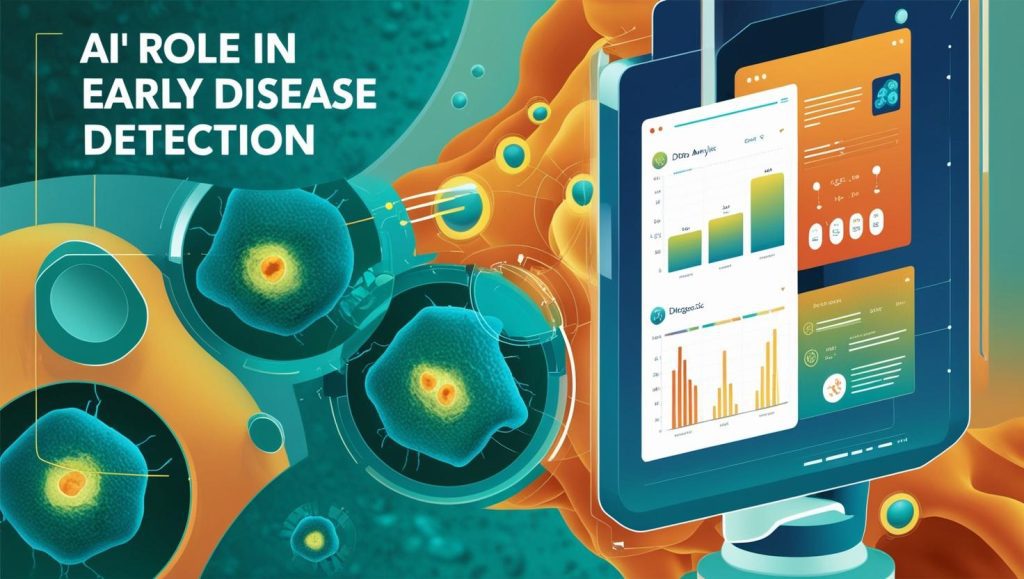
Imaging technologies play a crucial role in the early detection of various diseases by allowing healthcare professionals to visualize internal structures and identify abnormalities.
X-ray Imaging
X-ray imaging is commonly used to detect fractures, tumors, and infections in the body. It is a quick and non-invasive technique that provides valuable insights into bone health and lung conditions.
Magnetic Resonance Imaging (MRI)
MRI uses powerful magnetic fields and radio waves to produce detailed images of organs, tissues, and structures within the body. It is particularly useful in identifying brain tumors, spinal cord injuries, and joint problems.
Computed Tomography (CT) Scan
CT scans combine X-rays with computer technology to create cross-sectional images of the body. This technique is effective in detecting conditions such as heart disease, lung cancer, and internal bleeding.
Ultrasound Imaging
Ultrasound imaging uses high-frequency sound waves to create real-time images of internal organs and structures. It is commonly used to assess the health of the heart, liver, and reproductive organs.
Integrative Approach at Anderson Longevity
Anderson Longevity takes a comprehensive approach to health assessments by combining different diagnostic tools to detect diseases at an early stage. This integrative approach allows for a more thorough evaluation of an individual's health status and provides a more holistic view of potential health risks.Advantages of Integrative Approach
- By utilizing multiple diagnostic tools such as genetic testing, imaging techniques, and advanced blood tests, Anderson Longevity can identify potential health issues that may go unnoticed with a single screening method.
- Integrating various diagnostic tools helps in early disease detection, leading to timely interventions and improved treatment outcomes.
- This approach enables personalized healthcare plans tailored to individual needs based on a comprehensive understanding of their health profile.
Success Stories
One success story involves a patient who underwent a comprehensive health assessment at Anderson Longevity, which revealed early signs of cardiovascular disease through a combination of genetic testing and advanced imaging techniques. With early detection, the patient was able to make lifestyle changes and start appropriate treatment, ultimately preventing a major cardiac event.
Epilogue
As we draw to a close, the discussion on Anderson Longevity: Advanced Diagnostic Tools for Early Disease Detection leaves us with a profound understanding of the significance of early detection in maintaining optimal health. Dive deeper into the realm of preventive healthcare and stay ahead of potential health risks with the innovative tools offered by Anderson Longevity.
Answers to Common Questions
How does early disease detection benefit individuals?
Early disease detection allows for timely intervention and treatment, leading to better health outcomes and potentially saving lives.
What are some examples of diseases that can be detected early?
Conditions such as cancer, cardiovascular diseases, diabetes, and genetic disorders can often be detected early with advanced diagnostic tools.
How does genetic testing contribute to early disease detection?
Genetic testing can identify predispositions to certain diseases, allowing individuals to take preventive measures and monitor their health proactively.