


Starting with Is Your Mywellbeing Program Data-Secure? GDPR Tips for EU Employers, the discussion unfolds in a captivating manner, drawing readers into a narrative that is both engaging and memorable.
The following paragraph will provide a clear and descriptive overview of the topic.
Overview of Mywellbeing Program Data Security
Data security is crucial in Mywellbeing programs to protect the personal information of employees and maintain their privacy. By ensuring data security, employers can build trust with their employees and comply with data protection regulations such as GDPR.Sensitive data collected in Mywellbeing programs may include personal health information, mental health assessments, lifestyle habits, and other details that employees share to receive support and guidance. This data needs to be safeguarded to prevent unauthorized access and maintain confidentiality.Potential Risks of Data Breaches in Mywellbeing Programs
Data breaches in Mywellbeing programs can lead to serious consequences, such as exposing employees' sensitive information to hackers or unauthorized third parties. This can result in identity theft, financial fraud, reputational damage, and legal liabilities for the employer.To mitigate these risks, employers must implement robust security measures, such as encryption, access controls, regular security audits, and employee training on data protection best practices.Examples of Sensitive Data in Mywellbeing Programs
- Personal health information, including medical history, prescriptions, and treatment plans.
- Mental health assessments and counseling records.
- Lifestyle habits, such as exercise routines, dietary preferences, and stress levels.
- Feedback and responses to well-being surveys and assessments.
Understanding GDPR Compliance for EU Employers
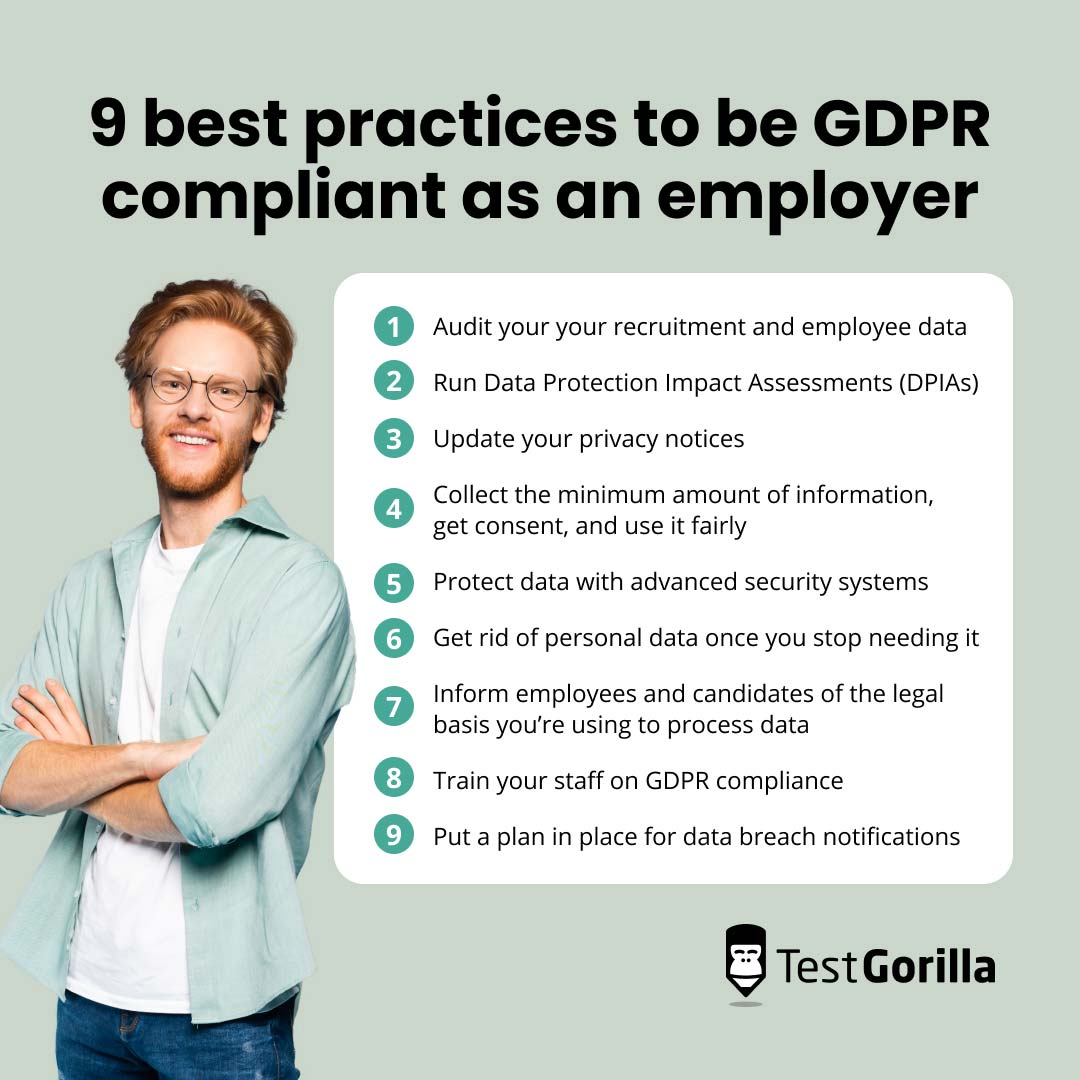 In the European Union, the General Data Protection Regulation (GDPR) plays a crucial role in ensuring the protection of individuals' personal data. This regulation sets strict guidelines for how organizations handle, process, and store personal data, including data collected through programs like Mywellbeing.GDPR requires employers to implement appropriate measures to safeguard personal data, including data collected through employee well-being programs. Non-compliance with GDPR can result in severe consequences for EU employers, including hefty fines and reputational damage.
Key GDPR Requirements Impacting Mywellbeing Program Data Security
- Consent: Employers must obtain explicit consent from employees before collecting and processing their personal data through Mywellbeing programs.
- Data Minimization: Employers should only collect data that is necessary for the well-being program and ensure that it is not excessive.
- Data Security: Employers must implement robust security measures to protect personal data collected through Mywellbeing programs from breaches or unauthorized access.
- Data Transfer: Any transfer of personal data outside the EU must comply with GDPR's strict rules on international data transfers.
Consequences of Non-Compliance with GDPR for EU Employers
Fines: Non-compliance with GDPR can result in fines of up to 4% of annual global turnover or €20 million, whichever is higher.
- Reputational Damage: Violating GDPR can lead to negative publicity and damage the reputation of the employer among employees, customers, and partners.
- Loss of Trust: Failure to comply with GDPR may erode trust between employers and employees, impacting the overall relationship and morale within the organization.
Implementing Data Security Measures in Mywellbeing Programs
When it comes to safeguarding data in Mywellbeing programs, implementing robust security measures is crucial to protect sensitive information effectively.Best Practices for Securing Data in Mywellbeing Programs
- Utilize end-to-end encryption to ensure that data is securely transmitted and stored.
- Regularly update security protocols and software to address any vulnerabilities.
- Implement multi-factor authentication to add an extra layer of security for user access.
- Restrict access to sensitive data based on job roles and responsibilities.
Comparison of Encryption Methods Suitable for Protecting Mywellbeing Program Data
- Symmetric Encryption: Uses a single key to encrypt and decrypt data, providing fast processing speeds but requiring secure key management.
- Asymmetric Encryption: Uses a public and private key pair for encryption and decryption, offering enhanced security but slower processing times.
- Homomorphic Encryption: Allows computations to be performed on encrypted data without decryption, maintaining data privacy.
Examples of Access Controls Enhancing Data Security in Mywellbeing Programs
- Role-based access control (RBAC) assigns permissions based on job roles to limit data access.
- Attribute-based access control (ABAC) uses attributes to determine access rights, offering more granular control.
- Regularly review and update access controls to ensure they align with the organization's security policies.
Training and Awareness for Employees Handling Mywellbeing Program Data
Training and awareness for employees handling Mywellbeing program data is crucial to ensure the security and integrity of sensitive information. By educating employees on data security best practices, organizations can mitigate risks and prevent data breaches.Design a Training Program
- Develop a comprehensive training program that covers data security protocols, GDPR compliance requirements, and the importance of safeguarding Mywellbeing program data.
- Include practical examples, case studies, and simulations to help employees understand the potential risks and consequences of data breaches.
- Ensure that the training program is regularly updated to reflect the latest cybersecurity threats and trends.
Importance of Security Awareness Training
- Regular security awareness training is essential to keep employees informed about evolving cybersecurity threats and best practices.
- Empower employees to identify suspicious activities, phishing attempts, and other security risks that may compromise Mywellbeing program data.
- Encourage a culture of vigilance and accountability to foster a proactive approach to data security within the organization.
Creating a Culture of Data Security
- Lead by example by prioritizing data security and compliance with GDPR regulations at all levels of the organization.
- Encourage open communication and feedback channels for employees to report security incidents or concerns promptly.
- Reward and recognize employees who demonstrate a commitment to data security and compliance with Mywellbeing program protocols.
Ultimate Conclusion
Concluding with a summary that encapsulates the key points of the discussion in an engaging way.
General Inquiries
Is data security essential for Mywellbeing programs?
Yes, data security is crucial to protect sensitive information collected in Mywellbeing programs.
What are some best practices for securing data in Mywellbeing programs?
Implementing encryption methods and access controls are effective measures for enhancing data security.
How can EU employers ensure GDPR compliance in Mywellbeing programs?
EU employers need to understand key GDPR requirements and implement them to secure Mywellbeing program data.